FR
FR
 ES
ES
 AR
AR
 PT
PT
 TL
TL
 MY
MY

Leave Your Message
Enterprise Core Values
Passion,Strive,Pragmatism,Promising
Corporate Vision
To become a global leader in smart energy storage
Corporate mission
Let clean energy enter thousands of households
As solar-plus-storage systems continue to expand globally, one issue remains a frequent concern for installers and distributors: battery compatibility with hybrid inverters.
Why Hybrid Inverter Compatibility Matters More in 2026
With the rapid adoption of brands such as Deye, Growatt, Sungrow, and Felicity Solar, the market has become increasingly diverse. However, not all lithium batteries communicate seamlessly with every inverter.
Poor compatibility may result in:
Communication failures between battery and inverter
Inaccurate state-of-charge (SOC) readings
Charging/discharging limitations
Unexpected system shutdowns
Increased installer service workload
For EPCs and distributors, these issues directly impact project timelines and customer satisfaction.
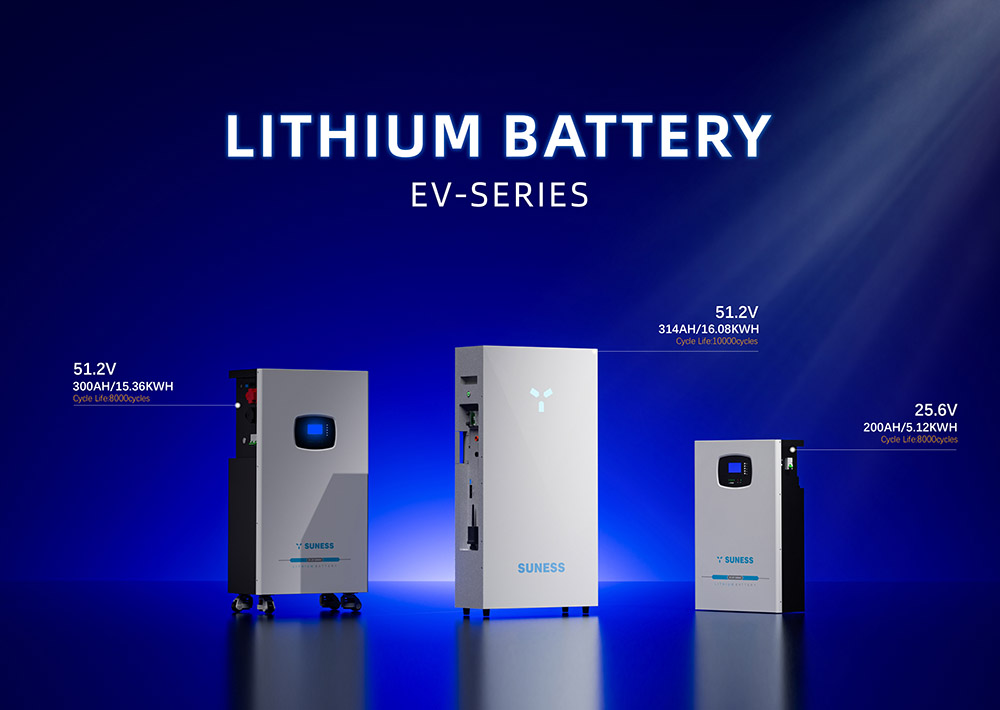
Key Factors That Determine Battery–Inverter Compatibility
1. Communication Protocol (Most Critical)
The first checkpoint is whether the battery supports mainstream communication protocols such as:
CAN
RS485
High-quality energy storage batteries typically provide multi-protocol auto-recognition, allowing smoother integration with major hybrid inverter brands.
Installer Tip: Always verify the inverter’s supported battery list before project deployment.
2. BMS Intelligence and Stability
A robust Battery Management System (BMS) plays a decisive role in compatibility. Advanced BMS design enables:
Accurate SOC/SOH reporting
Real-time fault protection
Dynamic charge–discharge control
Multi-inverter adaptability
Modern systems increasingly require firmware-level coordination between battery and inverter.
3. Voltage Platform Matching
Most residential systems today operate on:
48V low-voltage platforms
High-voltage stacked systems
Selecting the wrong voltage architecture can prevent proper system startup.
Best practice: Confirm inverter battery voltage window before finalizing the battery configuration.
4. Parallel Scalability Requirements
Many installers now deploy multi-unit battery banks. Compatibility must remain stable when systems scale.
Look for batteries that support:
Stable parallel communication
Automatic addressing
Multi-unit synchronization
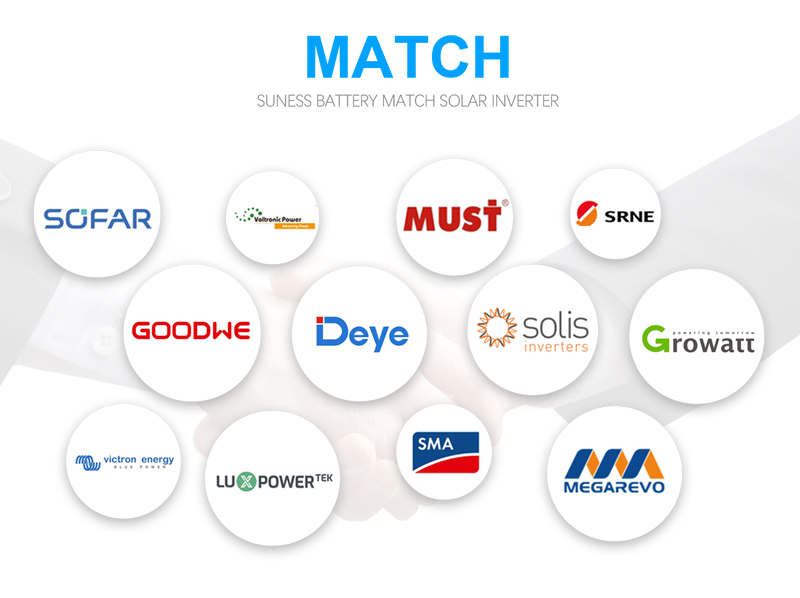
How SUNESS Batteries Simplify Hybrid Inverter Integration
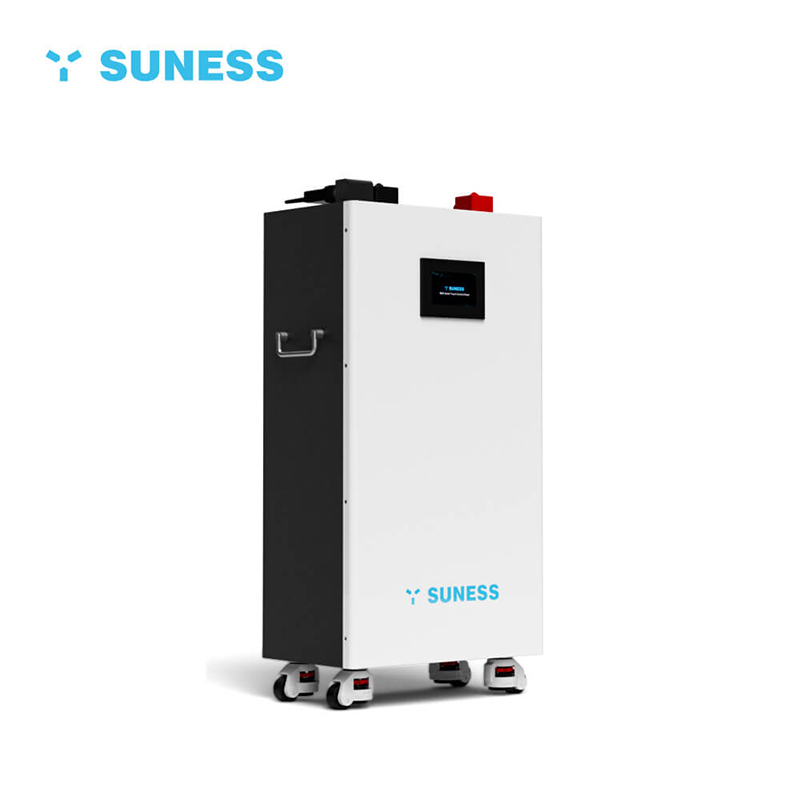
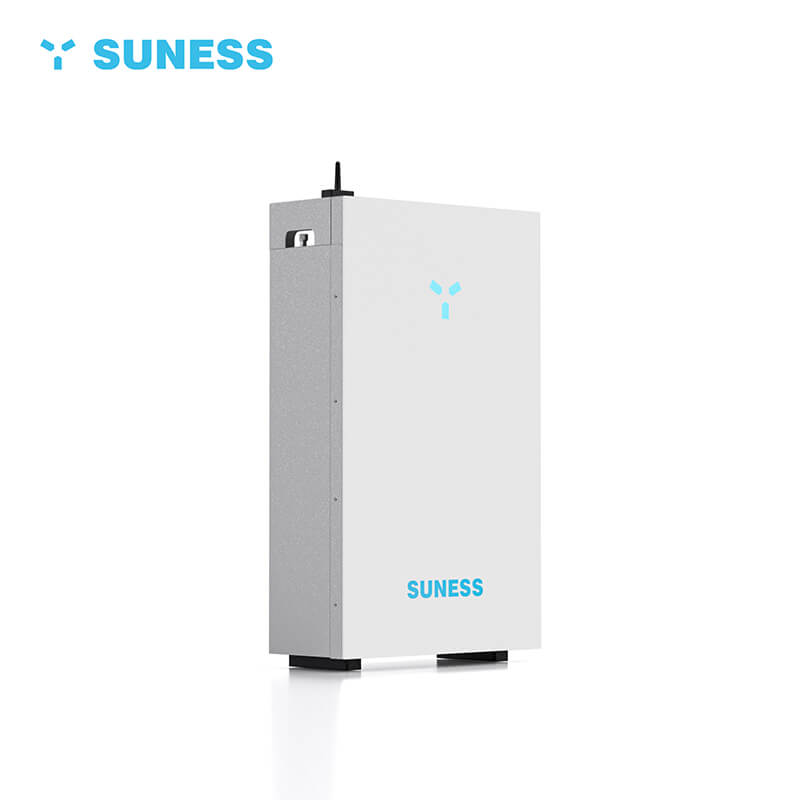
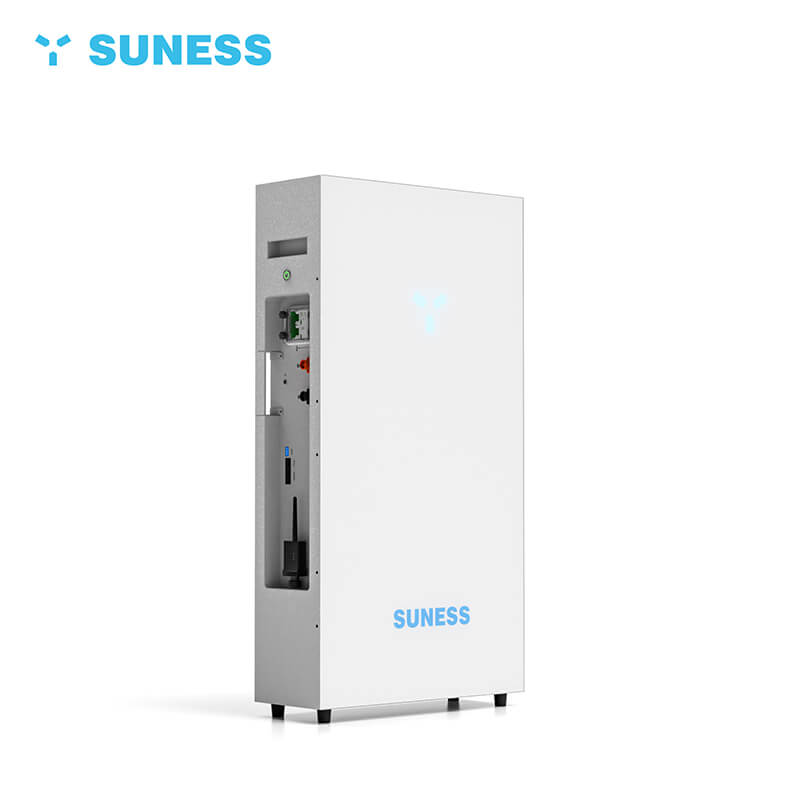
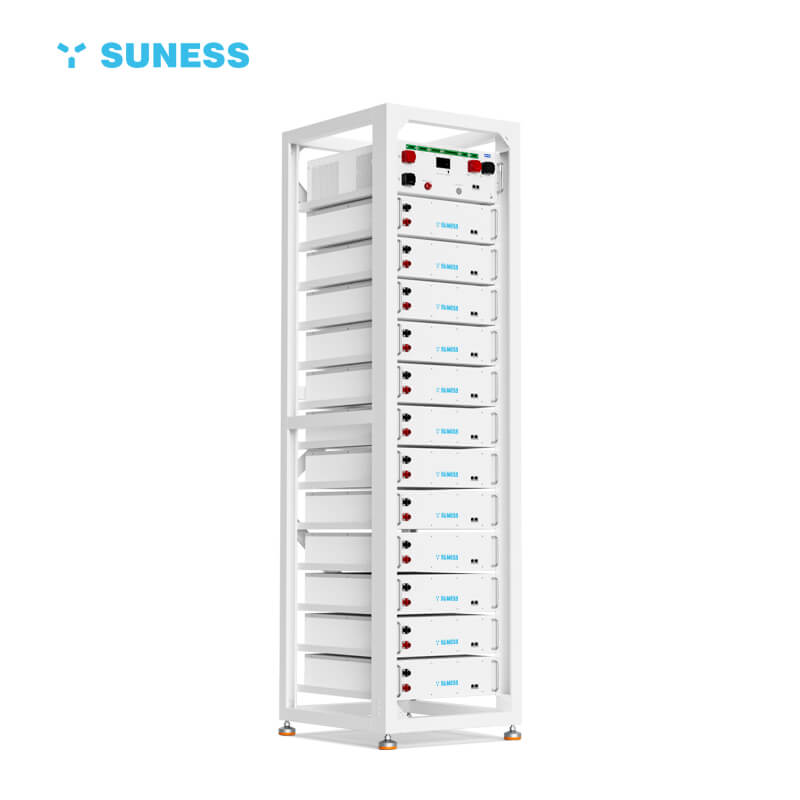
To reduce installer complexity, SUNESS energy storage batteries are engineered with broad inverter compatibility in mind.
Key integration advantages include:
Wide compatibility with leading hybrid inverter brands
Dual CAN & RS485 communication support
Intelligent BMS with real-time data synchronization
Stable parallel capability for system expansion
Pre-tested interoperability for faster commissioning
These features help installers shorten deployment time and reduce on-site troubleshooting.
Practical Checklist Before System Installation
Before commissioning any solar + storage system, installers should confirm:
Communication protocol match
Battery voltage range
Inverter compatibility list
Parallel configuration limits
Firmware version alignment
Following this checklist can significantly reduce post-installation issues.
Final Thoughts
As the solar storage market matures, hybrid inverter compatibility is becoming a decisive factor in system reliability and installer efficiency.
Choosing a battery platform designed for seamless inverter integration not only improves system stability but also reduces long-term service costs.
For installers and distributors seeking reliable, inverter-friendly LiFePO₄ solutions, SUNESS continues to focus on interoperability, safety, and scalable energy storage design.
Leave Your Message
Enterprise Core Values
Passion,Strive,Pragmatism,Promising
Corporate Vision
To become a global leader in smart energy storage
Corporate mission
Let clean energy enter thousands of households