FR
FR
 ES
ES
 AR
AR
 PT
PT
 TL
TL
 MY
MY
Leave Your Message
Enterprise Core Values
Passion,Strive,Pragmatism,Promising
Corporate Vision
To become a global leader in smart energy storage
Corporate mission
Let clean energy enter thousands of households

As global demand for reliable power grows across homes, commercial facilities, and off-grid regions, lithium energy storage batteries have become a core infrastructure product. However, many distributors and buyers still face the same challenge:
How do you choose the right energy storage battery without risking safety, performance, or profitability?
From both channel partners (distributors/wholesalers) and end customers, the evaluation logic is slightly different—but the technical fundamentals remain the same.
This guide breaks down the most critical purchasing factors using SEO-optimized structure and real-world decision logic.
Why Choosing the Right Lithium Storage Battery Matters
A poorly selected battery can lead to:
System underperformance、Safety incidents、Short lifecycle and high replacement cost、After-sales disputes、Reduced distributor margins
A properly specified LiFePO4 storage system, by contrast, delivers:
10–15 year service life、Stable ROI for customers、Lower warranty pressure for distributors、Strong repeat purchase potential
Key Factors When Purchasing Energy Storage Batteries
1. Battery Chemistry & Cell Quality
What distributors care about--Supplier consistency、Warranty claim rate、Brand positioning、What end users care about
Safety、lifespan、reliability、Professional insight
For stationary storage, LiFePO4 (LFP) is now the industry standard because it offers:
High thermal stability
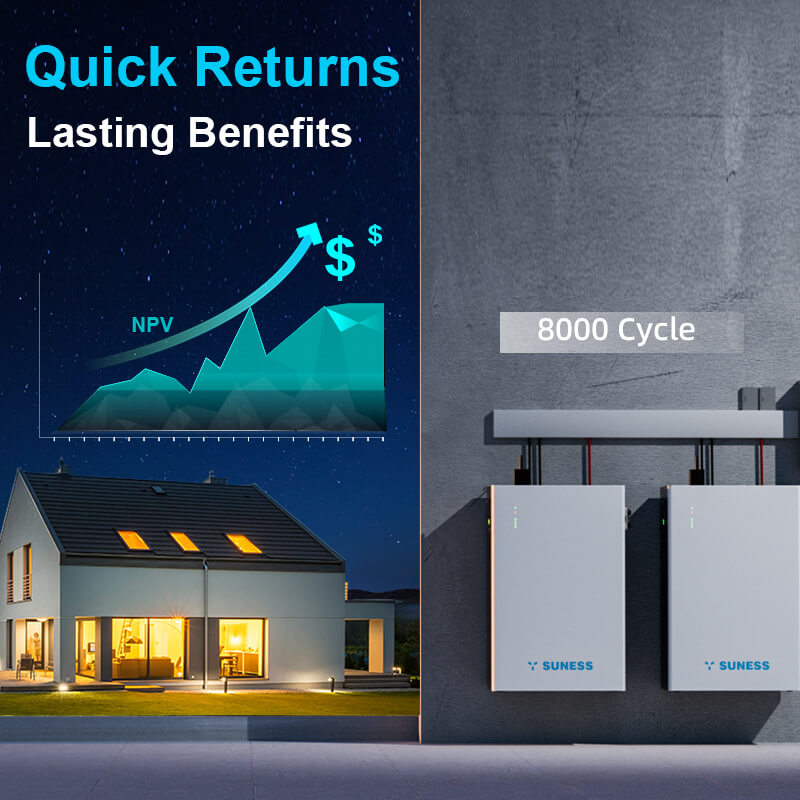
Long cycle life (8000+ cycles typical)
Low fire risk compared with NMC
Wide temperature tolerance
Best practice: prioritize Grade A cells from tier-1 manufacturers.
2. System Capacity Matching (Right Sizing)
Oversizing wastes budget; undersizing causes power shortages.
For distributors
You should evaluate:
Target application scenario
Local outage frequency
Typical daily load profile
Customer budget tier
For end users
The key question is: How many kWh do I actually need?
Required Battery (kWh) = Daily Load (kWh) × Backup Days ÷ Depth of Discharge
Typical reference
Scenario Recommended Capacity
Small home backup 5–15 kWh
Villa / large home 15–40 kWh
Small commercial 40–100 kWh
Industrial / microgrid 100 kWh+
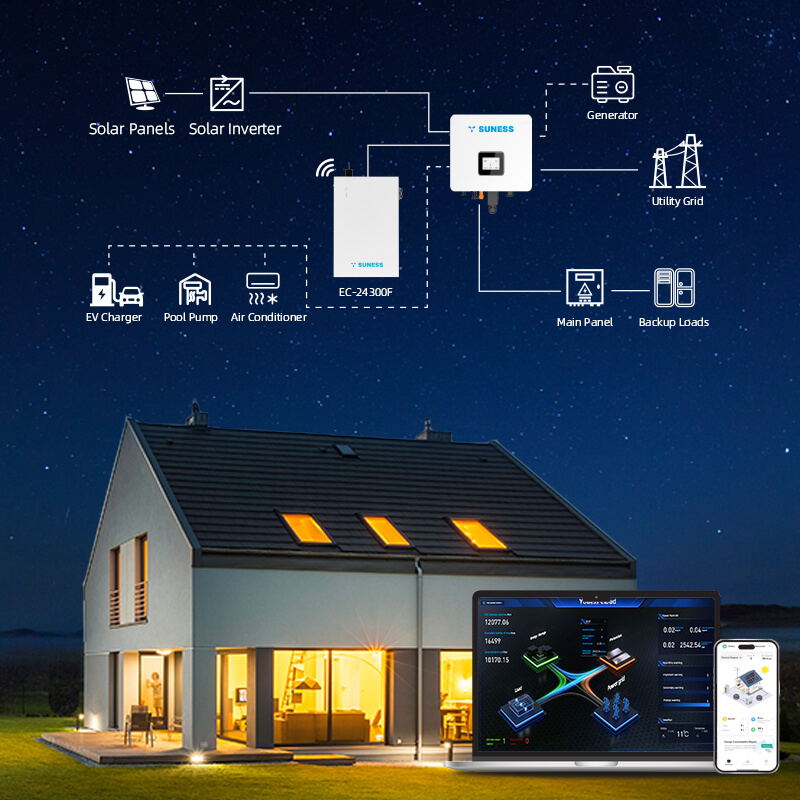
3. BMS Intelligence & Protection Level
The Battery Management System (BMS) is the brain of the battery.
Distributors should verify、Cell balancing accuracy、Communication protocols (CAN/RS485)、Remote monitoring capability、Firmware upgrade support
End users should look for、Over-charge protection、Over-discharge protection、Temperature protection、Short-circuit protection
Advanced trend (2025–2026)
Smart BMS with:Cloud monitoring、Bluetooth diagnostics、SOC/SOH prediction、Multi-cluster parallel control
4. Safety Certifications & Compliance
This is non-negotiable for serious markets.
Critical certifications (by market)
Region Key Certifications
Europe CE, IEC62619, UN38.3
North America UL1973, UL9540
Global shipping UN38.3, MSDS
Australia CEC listing
Distributor risk warning
Lack of certification can lead to:
customs seizure、project rejection、insurance refusal、legal liability
5. Cycle Life & Real Warranty Terms
Many buyers only look at cycle numbers, which is a common mistake.
What professionals check
Cycle life at what DOD? (80% vs 95%)
Test temperature conditions、Remaining capacity guarantee、Warranty throughput (MWh)、Calendar life vs cycle life、Healthy benchmark (2026 market)、≥8000 cycles @ 80–95% DOD、10-year warranty、≥70% capacity retention
6. Installation Flexibility & Scalability
Modern energy storage must be modular.
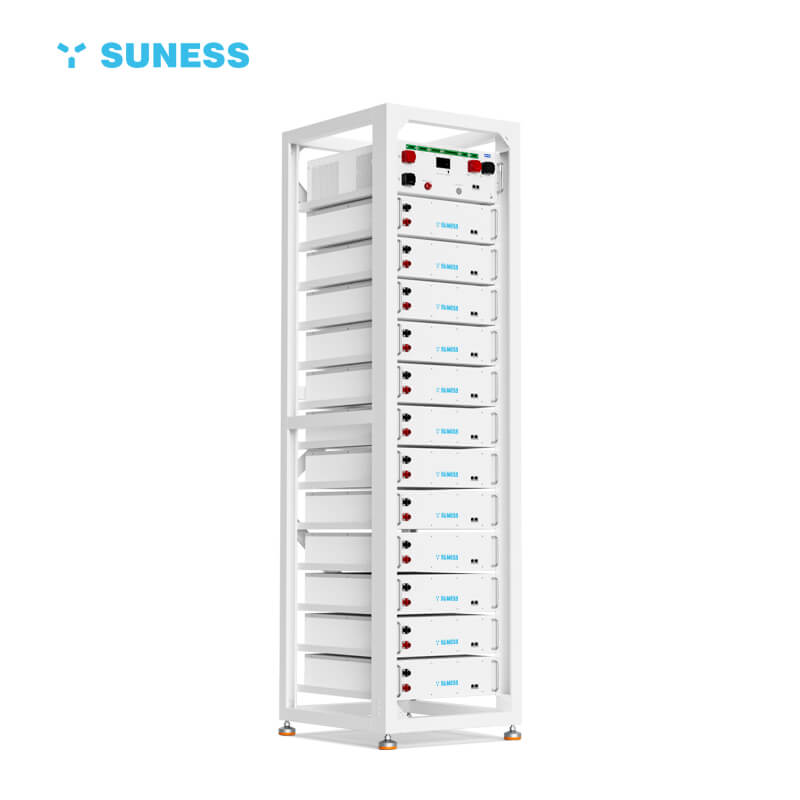
Distributors prefer、Rack-mounted systems、Stackable design
Parallel expansion capability、Quick installation、End users benefit from、Future capacity expansion、Lower initial investment、Easier maintenance
Market trend
The fastest-growing segments in 2025–2026:
Rack-mounted HV batteries、All-in-one liquid-cooled cabinets、Containerized ESS
7. Supplier Reliability & After-Sales Support
Even the best hardware fails without proper support.
Distributor checklist
OEM/ODM capability
Technical training support
Local service network
Spare parts availability
Response time SLA
End user checklist
Warranty clarity
Remote diagnostics
Replacement policy
Firmware support
Industry reality: Many failures in the field are service failures—not hardware failures.
Emerging Buying Trends in 2026
Based on global market signals, buyers are increasingly prioritizing:
Leave Your Message
Enterprise Core Values
Passion,Strive,Pragmatism,Promising
Corporate Vision
To become a global leader in smart energy storage
Corporate mission
Let clean energy enter thousands of households